
AI Feature Films: From a $100 Experiment to a New Production Model
For the past few years, we've been hearing that artificial intelligence is going to change filmmaking. Most of the time, this prediction has been accompanied by a spectacular five-second clip, a talking photograph or a strange short film that looked impressive until somebody tried to make it last more than a minute.
The situation has changed radically in 2026. AI-generated feature films are no longer isolated technical experiments, and this year has seen a large number of filmmakers attempting to produce complete movies using generative AI.
Pioneering AI filmmaking
One of the earliest examples was Window Seat, made by Hooroo Jackson and released in 2023. The 61-minute film was produced from more than 4,000 AI-generated video clips and cost approximately 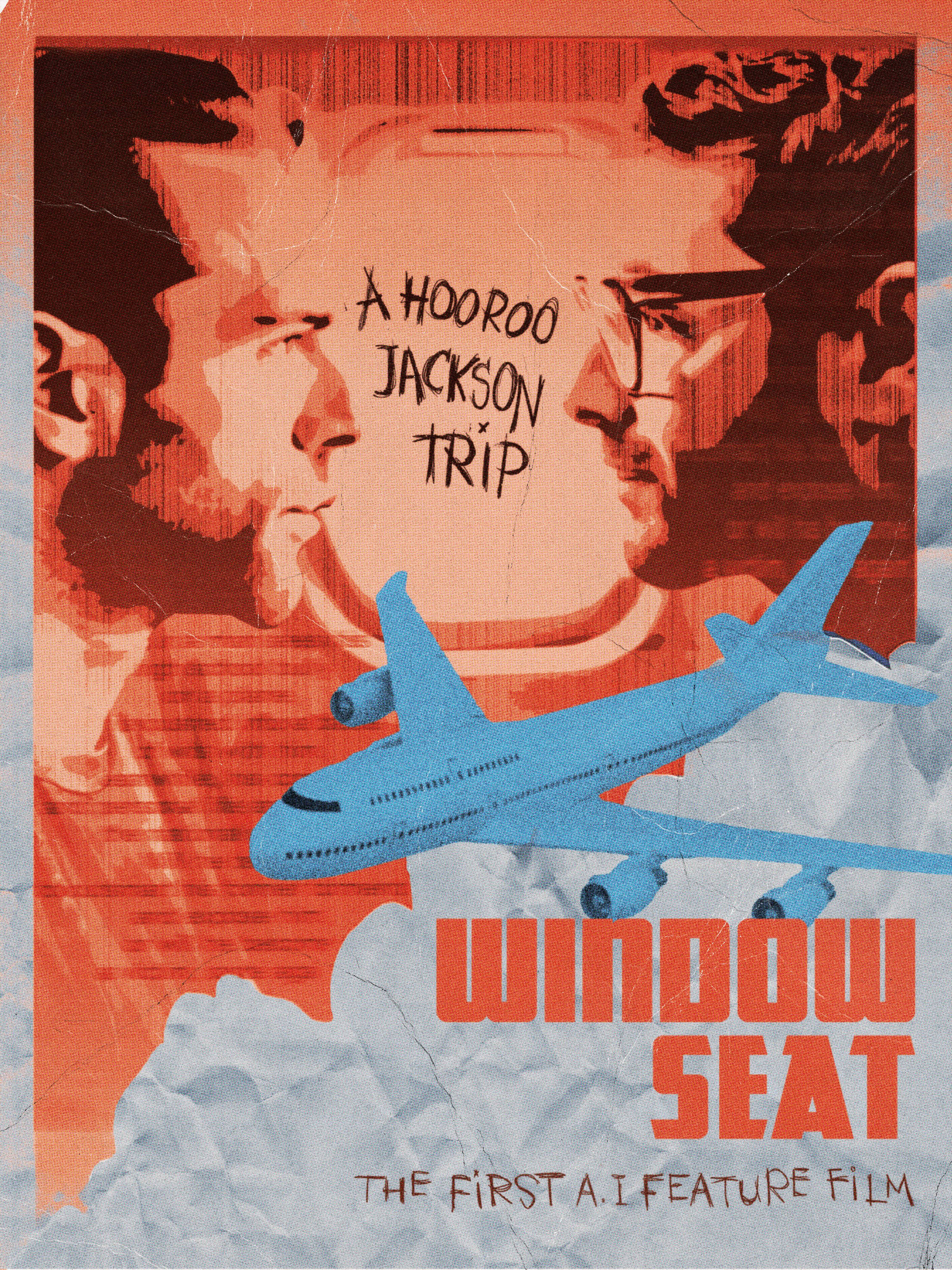 $100, essentially the price of a month of Runway's subscription. Jackson worked alone, using the very limited generative video technology that was available at the time. (hooroojackson.com)
The result is obviously primitive compared with what can be produced today, but Window Seat remains an important experiment because it demonstrated something that had previously been difficult to imagine: a single person could produce something approaching a feature film without a camera, a conventional cast or a production crew. Jackson had experience with traditional filmmaking, having directed Crispin Glover and Paz de la Huerta in his 2015 feature film Aimy in a Cage.
The technology progressed considerably during the following two years. In 2025, Steve Balderson and Joseph Suglia released Brainstare, a 137-minute feature presented as a live-action movie created entirely through AI, while the screenplay, direction and editing remained human. The film is considerably longer and more ambitious than the early experiments, and illustrates how quickly AI filmmaking moved from short demonstrations towards conventional feature-length storytelling.
Then came 2026.
Among the most interesting films of the year is Dreams of Violets, created by Ash Koosha. The 74-minute film, dealing with the January 2026 protests in Iran, was selected for the Tribeca Film Festival and was reportedly produced for around $2,000. AI-generated characters and environments were combined with material relating to the real events, allowing the filmmakers to create a film that would have been extremely difficult to produce through conventional means. (editorial.rottentomatoes.com)
Dreams of Violets is particularly interesting because it demonstrates one of the more convincing arguments for AI filmmaking. A filmmaker doesn't necessarily need generative AI to make an ordinary conversation in an apartment, since that can already be filmed relatively cheaply. Recreating a particular place, period or situation that is inaccessible to a small production is a different matter. AI can effectively become a way of creating locations and situations that would otherwise require a much larger budget.
The Higgsfield method
 Higgsfield's Hell Grind takes another approach. The 95-minute horror film was reportedly produced in around two weeks by a team of approximately fifteen filmmakers, using AI throughout the production process. The project was presented at Cannes in May 2026 as an example of what a feature-length AI production could look like, with the company subsequently making many of its production assets and prompts available. (screendaily.com)
The same company then produced The Cully Hill Boys, a 110-minute action comedy featuring licensed digital likenesses of personalities including Israel Adesanya and Quinton “Rampage” Jackson. The project points towards another possible development in filmmaking: actors may increasingly license their likenesses for productions in which they do not necessarily have to physically appear on set. (theverge.com)
This raises obvious questions about contracts, consent and the definition of a performance, but it also illustrates how quickly the technology is moving beyond the simple generation of backgrounds and visual effects. Once a consistent digital character can be generated, the distinction between creating a fictional actor and recreating an existing one becomes considerably less clear.
High-profile projects make the headlines
Another particularly ambitious project is Odysseus: The Fall, a roughly 150-minute adaptation of Homer's Odyssey by returning AI filmmaker Asjh Koosha. Its scale is interesting in itself. Producing a conventional epic of this kind would normally require a substantial cast, extensive locations, sets, costumes and visual effects, whereas AI allows a very small team to attempt something on a completely different scale, as opposed to Christopher Nolan's traditional approach.
The results of these films remain uneven, of course. Character consistency, physical interaction, facial 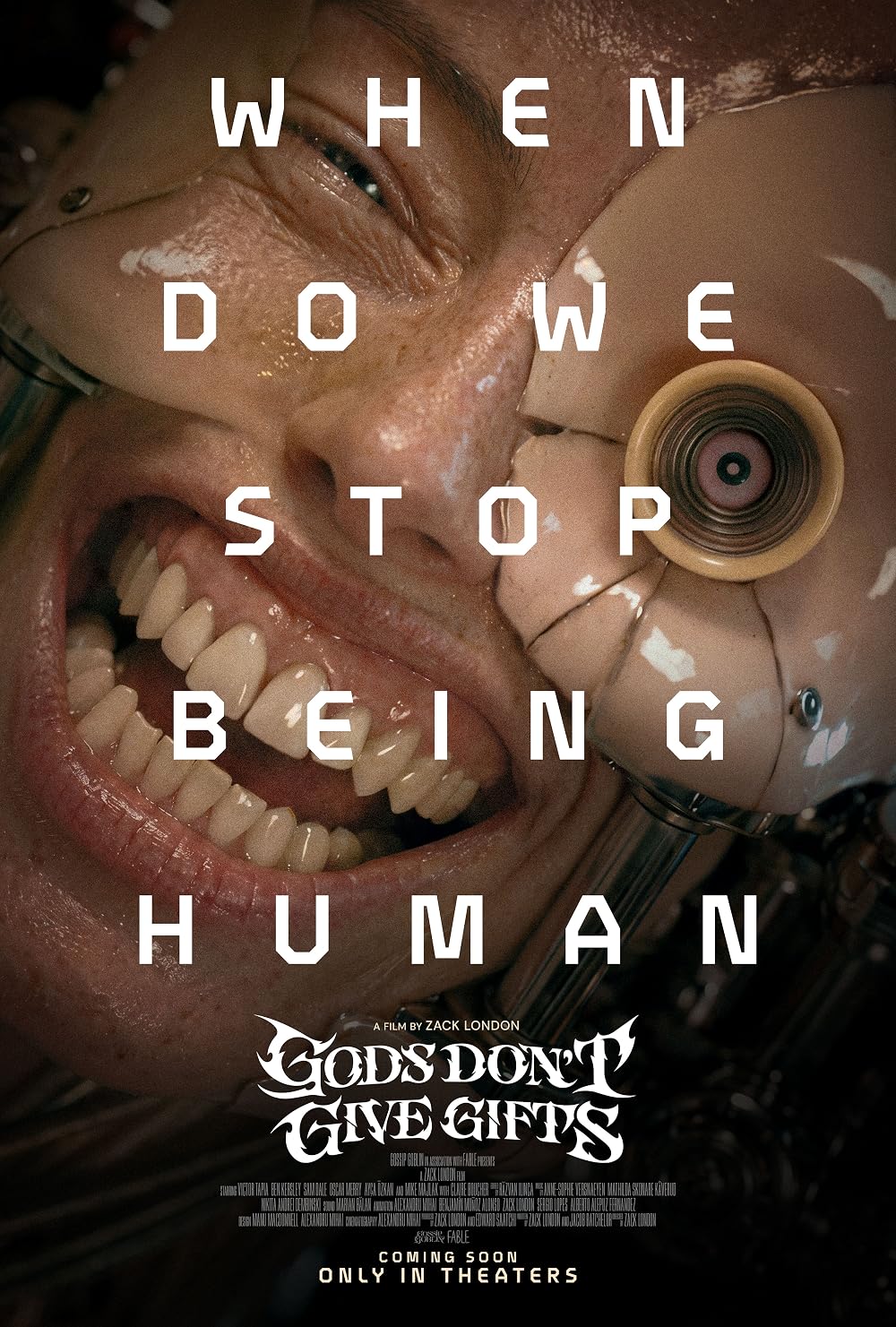 expressions and believable performances are still among the most difficult problems for generative video. Some shots can look remarkably convincing while others still have the unmistakable quality of an AI-generated image. This is particularly noticeable when a film runs for more than an hour, because maintaining visual and dramatic consistency over an entire feature is considerably more difficult than producing a few impressive sequences.
There is also a much larger development taking place outside the Western feature-film world which may ultimately have a greater impact on the industry.
According to figures released by Chinese authorities, around 430,000 micro-dramas were released in China during the first eight months of 2026, with more than 90% of them using AI to some extent. The scale of this production is difficult to compare with the handful of Western AI features that tend to attract attention at film festivals. China already has an enormous market for short-form dramas, and AI is being incorporated into an existing commercial production system rather than treated primarily as an experimental new form of cinema. (english.scio.gov.cn)
Other projects are appearing between these two extremes, including God Don't Give Gifts, produced by Edward Saatchi and associated with Fable's AI filmmaking technology, as well as the increasingly ambitious work of independent filmmakers such as Ryan Lightbourn.
God Don't Give Gifts is the first feature film by UK artist Zack London, who works under the name Gossip Goblin. He uses a hybrid approach, with a team of 12 actors and crew members working to refine the AI-generated visuals that bring his original cyberpunk universe to life. After building up his audience through numerous short films and videos, this film will have a theatrical release in the US with international distribution to follow. (godsdontgivegifts.com)
BOSS: 50 days to make a feature
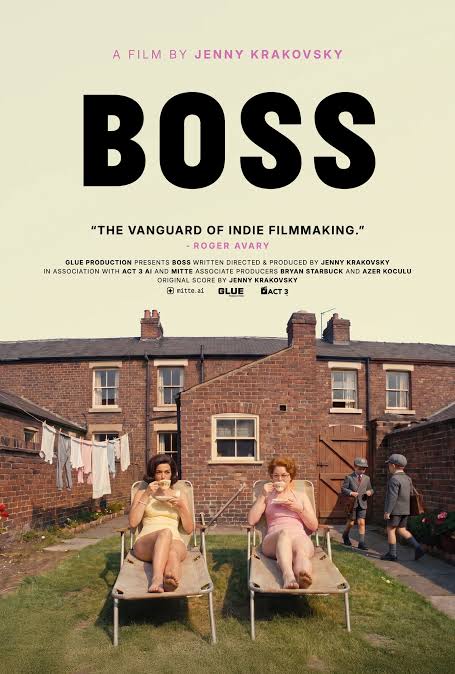 Another particularly interesting 2026 project is BOSS, by British filmmaker Jenny Krakovsky. Coming from a background in documentaries and commercials, Krakovsky decided to see how far she could take the technology by attempting to make an entire feature film using AI tools in just 30 days. The challenge eventually took around 50 days, and she documented the production almost daily, turning the making of the film into a project of its own.
BOSS is a crime drama set in 1960s Liverpool, about a housewife who takes control of a criminal empire. What makes the project interesting is not so much its claim to be the “first” AI feature, a distinction that has already become increasingly difficult to define, but the fact that Krakovsky approached it as a filmmaker rather than as a technology demonstration. She had a conventional filmmaking background before turning to generative AI, and the production process involved using AI tools for the different elements of a feature while she remained responsible for the creative decisions.
The project also illustrates how quickly the workflow is changing. Krakovsky initially worked with the idea of completing the film in 30 days, but eventually reached the end of the production after around 50 days, with editing and sound becoming part of the process. She has since announced the completed film and is looking for theatrical distribution.
In that respect, BOSS sits somewhere between Window Seat, made for around $100 with the technology available in 2023, and the larger AI productions being developed by companies such as Higgsfield. It is a conventional independent filmmaker experimenting with a radically unconventional production method, and that may prove to be one of the most common models for AI filmmaking as the tools become easier to use.
What is particularly interesting about all these projects is that they don't represent a single way of making an AI film. Some are essentially one-person experiments made for almost no money, while others involve professional teams and substantial budgets. Some filmmakers are trying to reproduce the aesthetics of conventional cinema, while others are using AI precisely because it allows them to create worlds that would otherwise be too expensive or complicated to film. (jennykrakovsky.com)
Ninja Sharkbusters in Paris
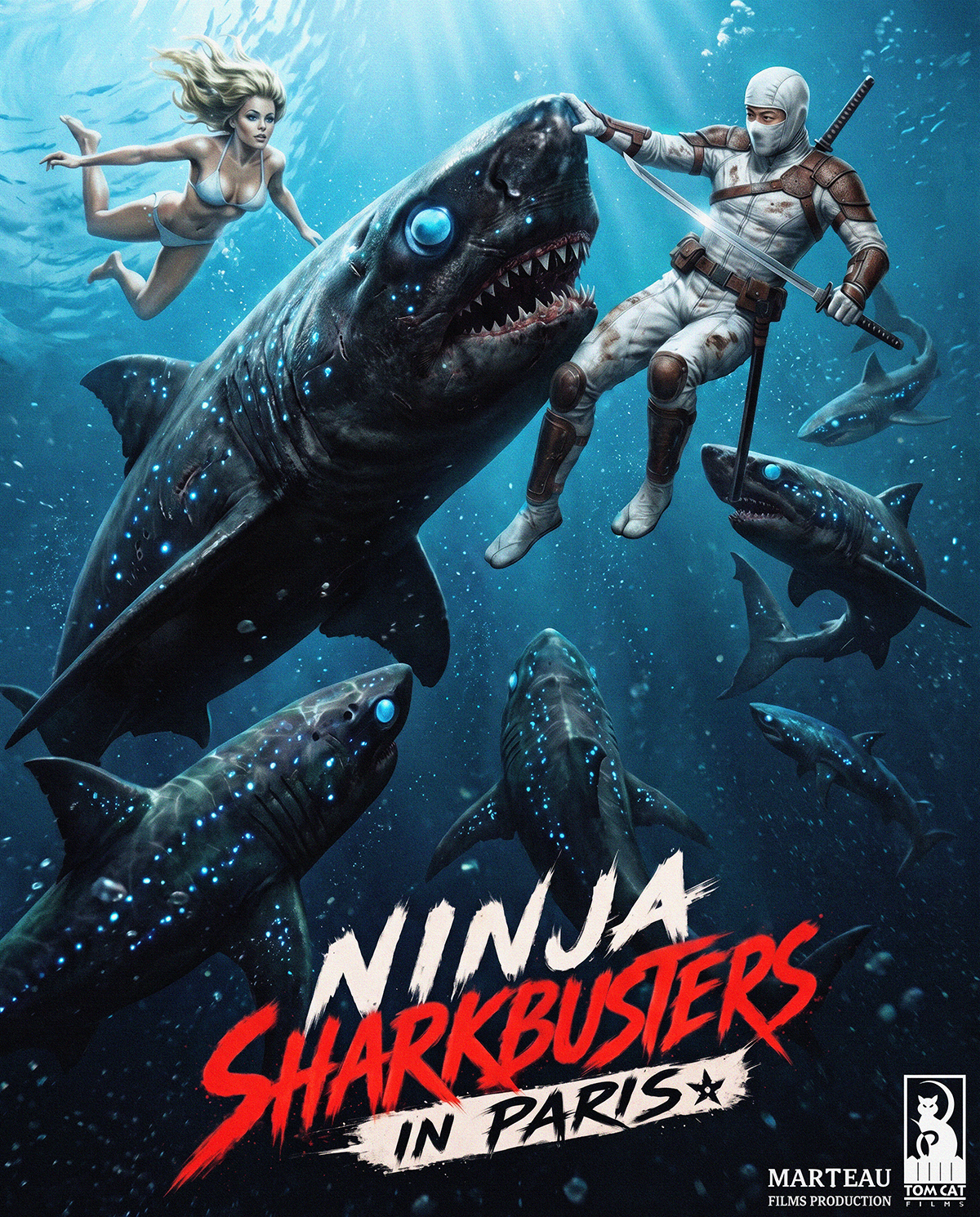 After three years focused mostly on dubbing and subtitling services through BZZ Dubbing, our company Marteau Films goes back to its film production roots with Ninja Sharkbusters in Paris, co-produced with US company TomCat Films. The film combines a traditionally written screenplay and human pre-production, storyboards and editing with AI-generated imagery and music. The technology makes it possible to attempt sequences involving Paris, ninjas and a giant shark in the Seine without the kind of budget that would normally be required for such a production. (marteau.film)
This is probably where AI filmmaking becomes most interesting for independent filmmakers. The technology is not eliminating the need for filmmaking skills, but it is progressively reducing the cost of certain things that used to make particular projects impossible. A filmmaker who previously had to remove an expensive location, creature or action sequence from a script can now consider keeping it.
Whether the resulting film is good still depends largely on the filmmaker. That may sound obvious, but it is worth remembering as AI-generated cinema becomes increasingly sophisticated. The technology is getting better very quickly, but a convincing image is only one component of a feature film. Writing, editing, sound, rhythm, acting and directing remain problems that cannot be solved simply by generating more footage.
The most interesting period of AI filmmaking may therefore be the one we're entering now. The technology is no longer so primitive that feature films are impossible, but it is still sufficiently new that filmmakers are experimenting with different ways of using it.
How long will it take before a good AI-generated movie can be produced without any human input - and how much do we want to watch that?